Make the film that says it.
I help brands strip away the noise and find what they're actually trying to say. Director and cinematographer, San Clemente, California.
Aaron Lieber is a director and cinematographer based in San Clemente, California. He helps brands strip away the noise, find what they're actually trying to say, and make the film that says it.
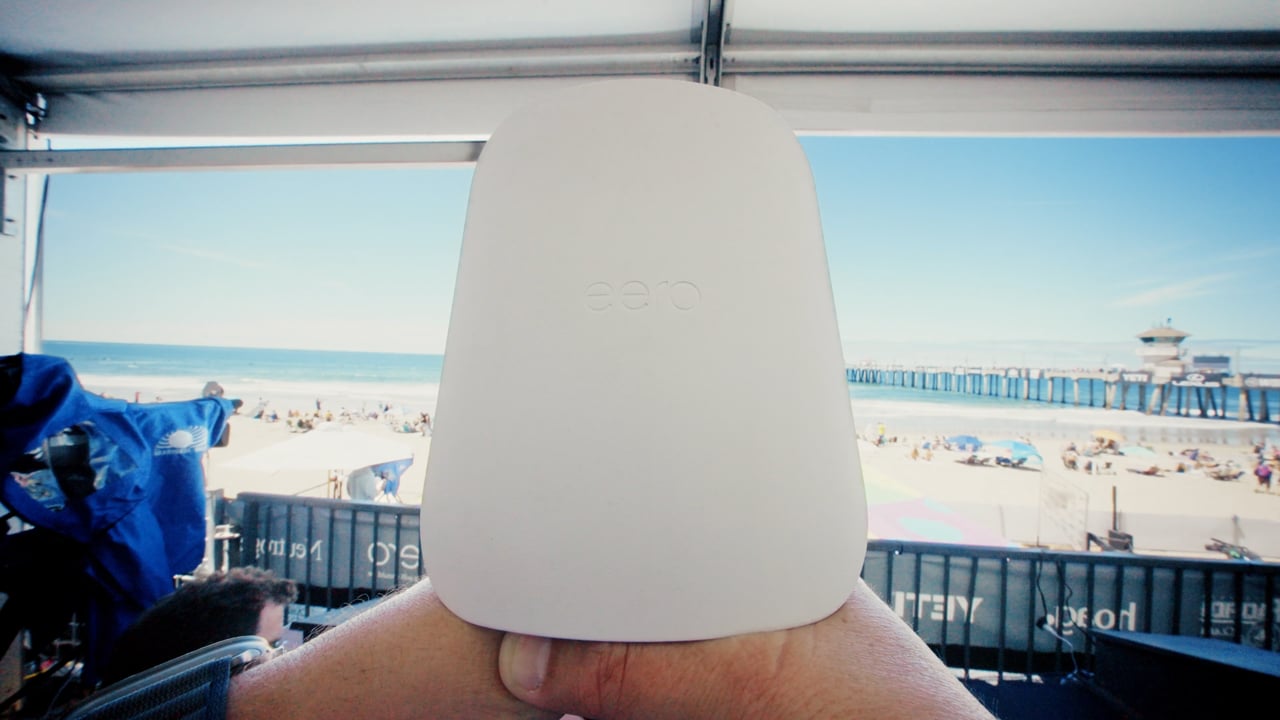
A feature documentary that premiered at Tribeca. Films and campaigns for Nike, Sony, G-Shock, WSL, NFLPA, Eero, and Eventbrite. A working water cinematographer since 2008.






Skills + experience.
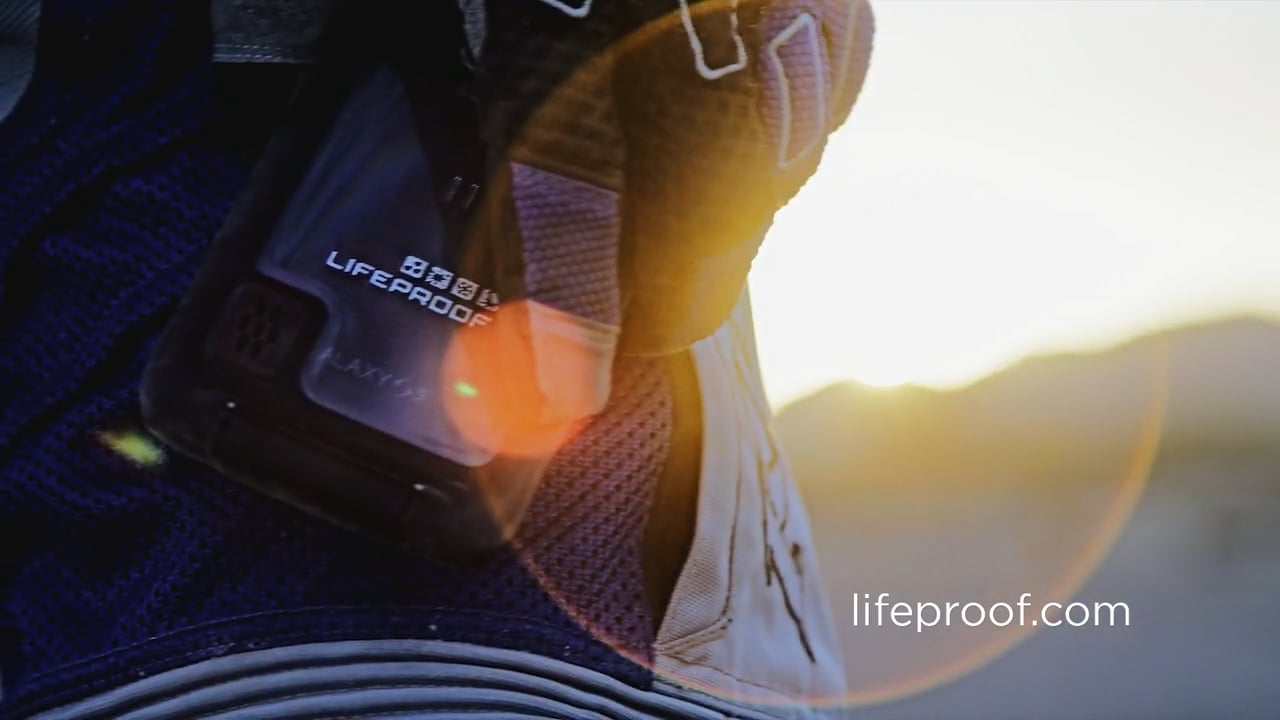
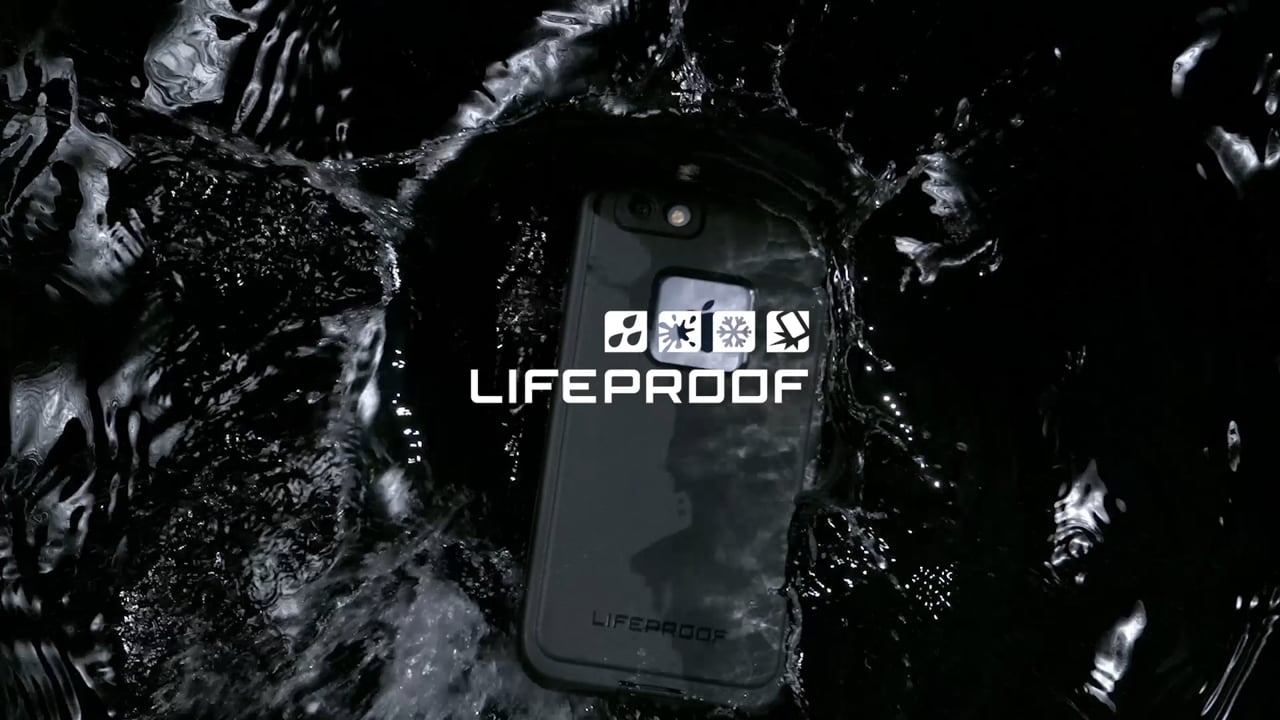
Twenty years of work across documentary, commercial, and brand. A LifeProof spot that drove two million dollars in sales in two hours.
Some projects need one person and a camera. Some need ten and a crane. Director-led to plug-in DP. Single hero film to multi-format launch system. Each row below is a way the work has actually shipped, with the right people hired around the brief. I scale to the project, not the other way around.
Clarity first. Crews built around the project. Always collaborative.
Director / DP.
Direct it. Shoot it. One creative voice.
I direct and run the camera as one creative role. Concept, shotlist, performance, frame. From a 30-second spot to feature length.
Director-DP · NFLPA · launching soon · Bethany Hamilton · Tribeca · Netflix
DP.
Plug me in. Bring the rig.
When you have a director and need a DP who arrives with the gear and the relationships. Specialty: action, athletes, brand interviews, water, drone.
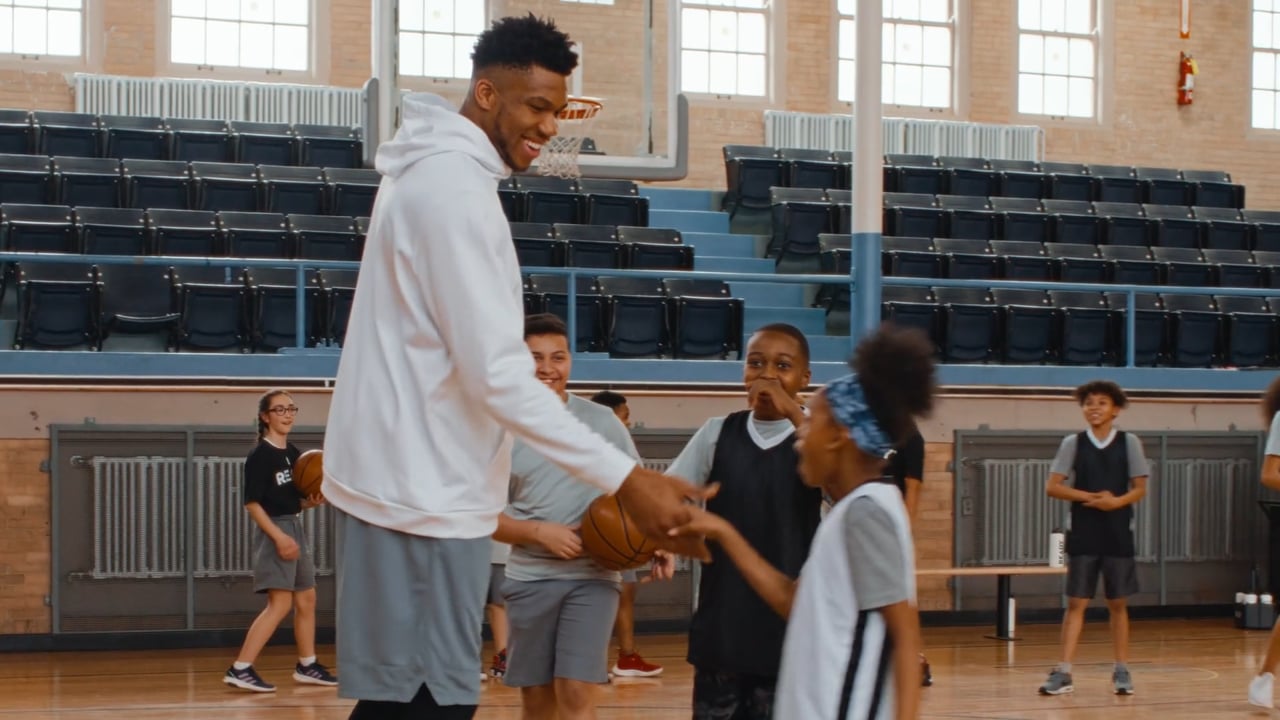
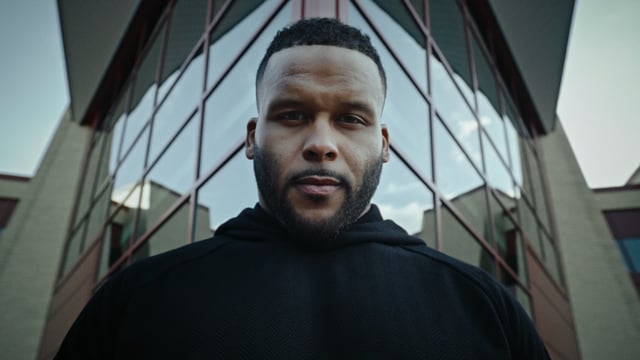
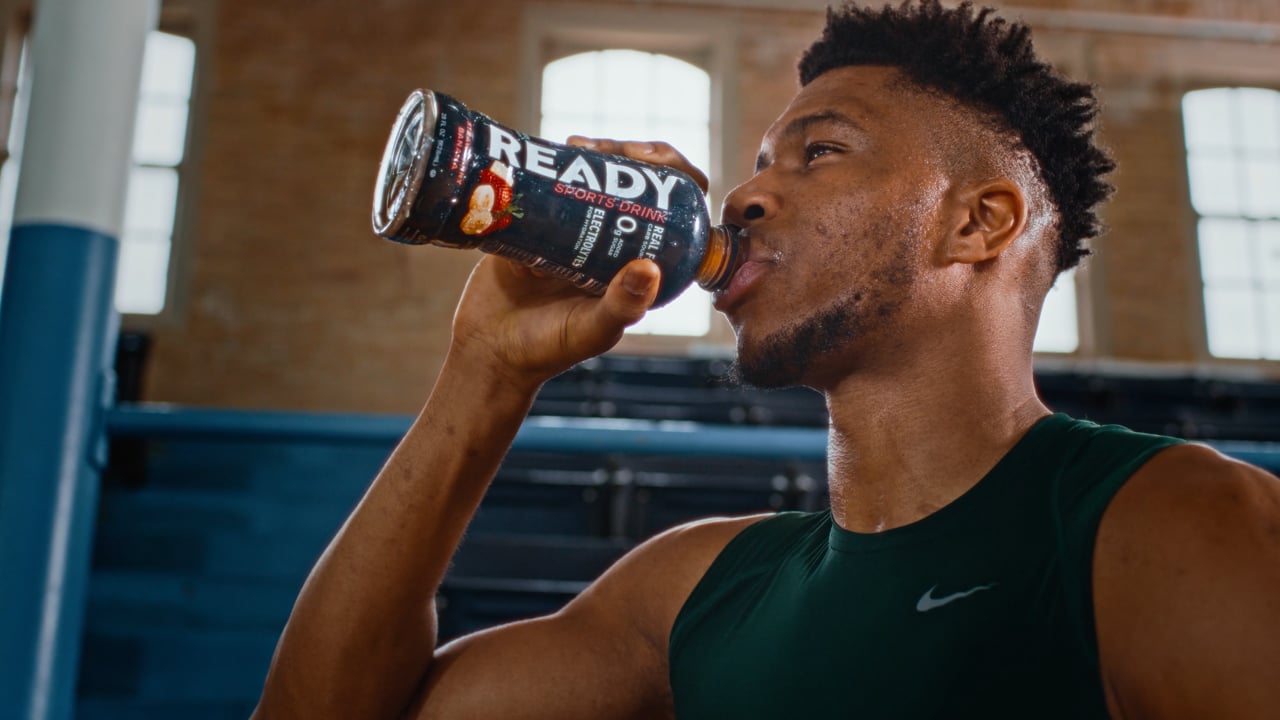
Owner-operator · Tim Tadder × Ready · Aaron Donald · Giannis · Epson
Brand Activations.
Launch the experience. Make the moment.
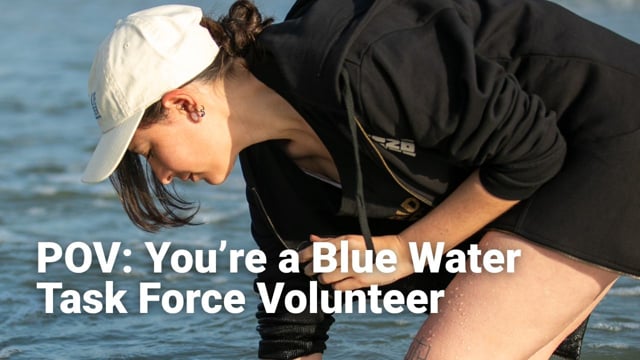
Hero film and social rollout for venue launches, brand activations, and experiential moments. The film and the social drumbeat working together.
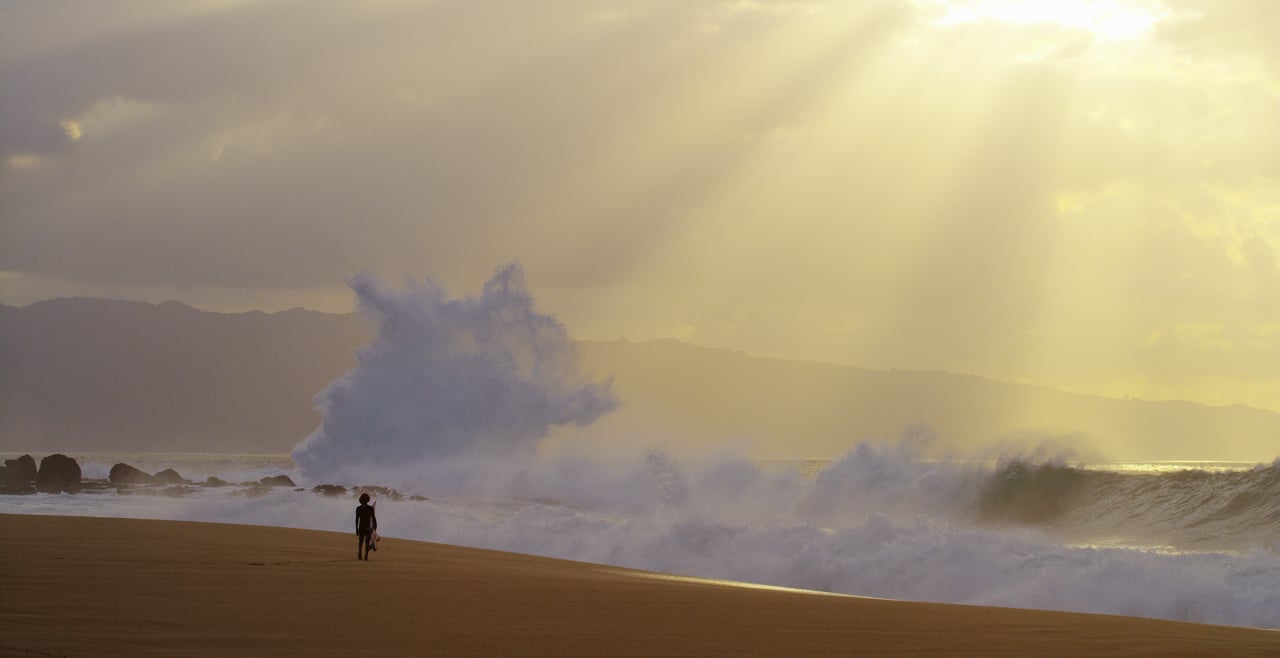
Director-DP · Hero + social · WAI KAI · Wave pool launch
Product Launches.
Build the launch around the moment.
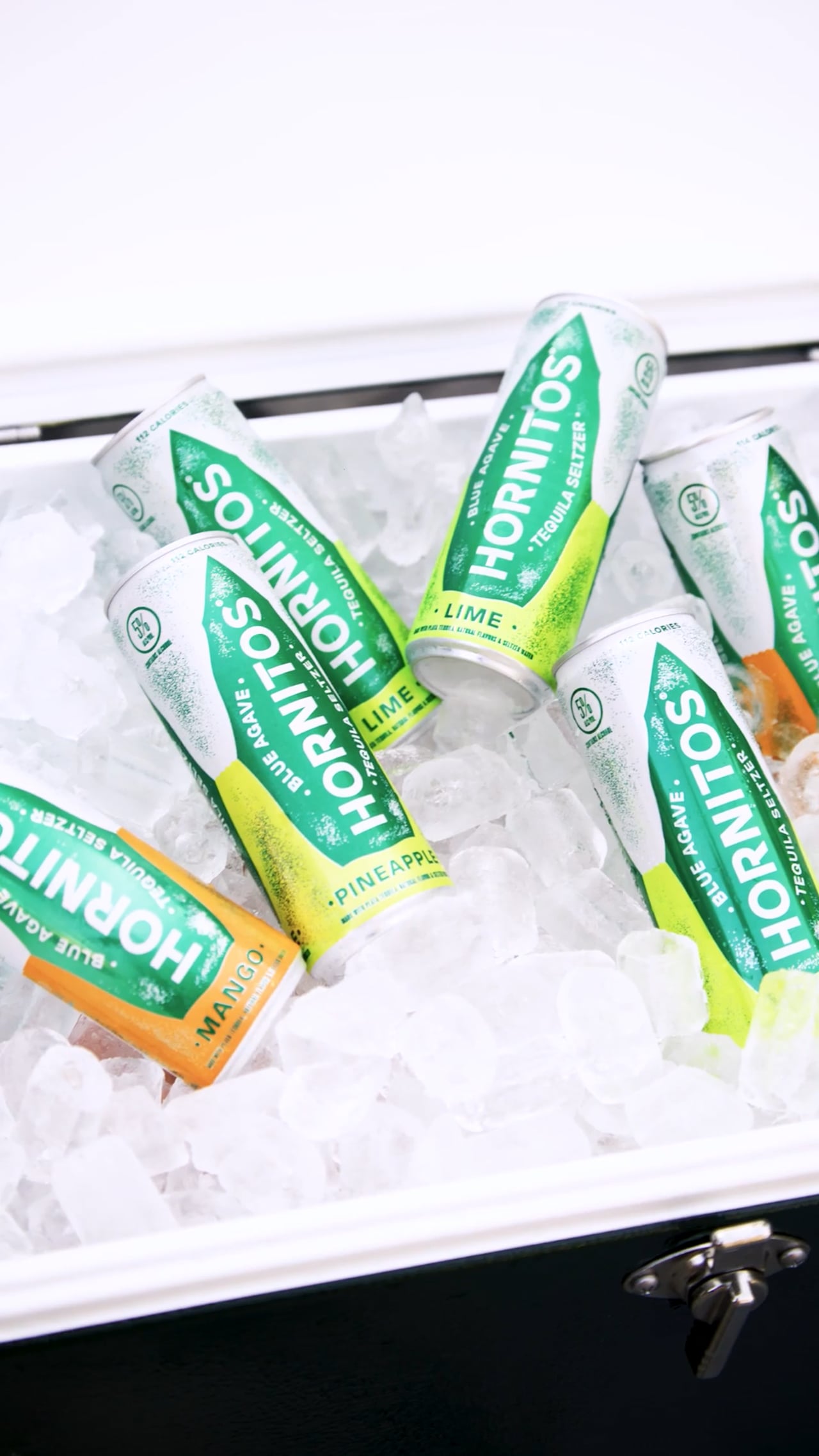
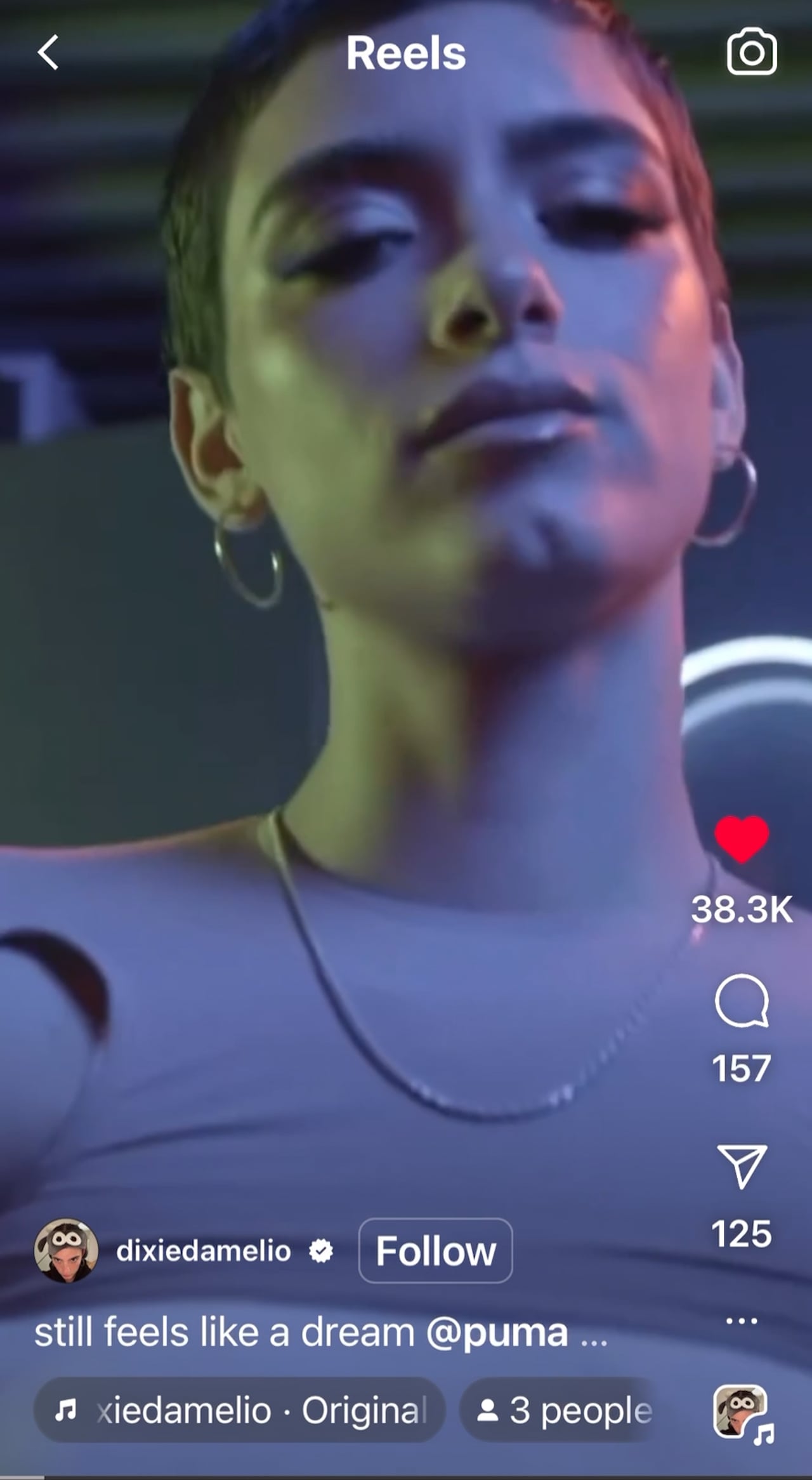
Hero film, vertical social cuts, product stills. One shoot, every format your launch needs.
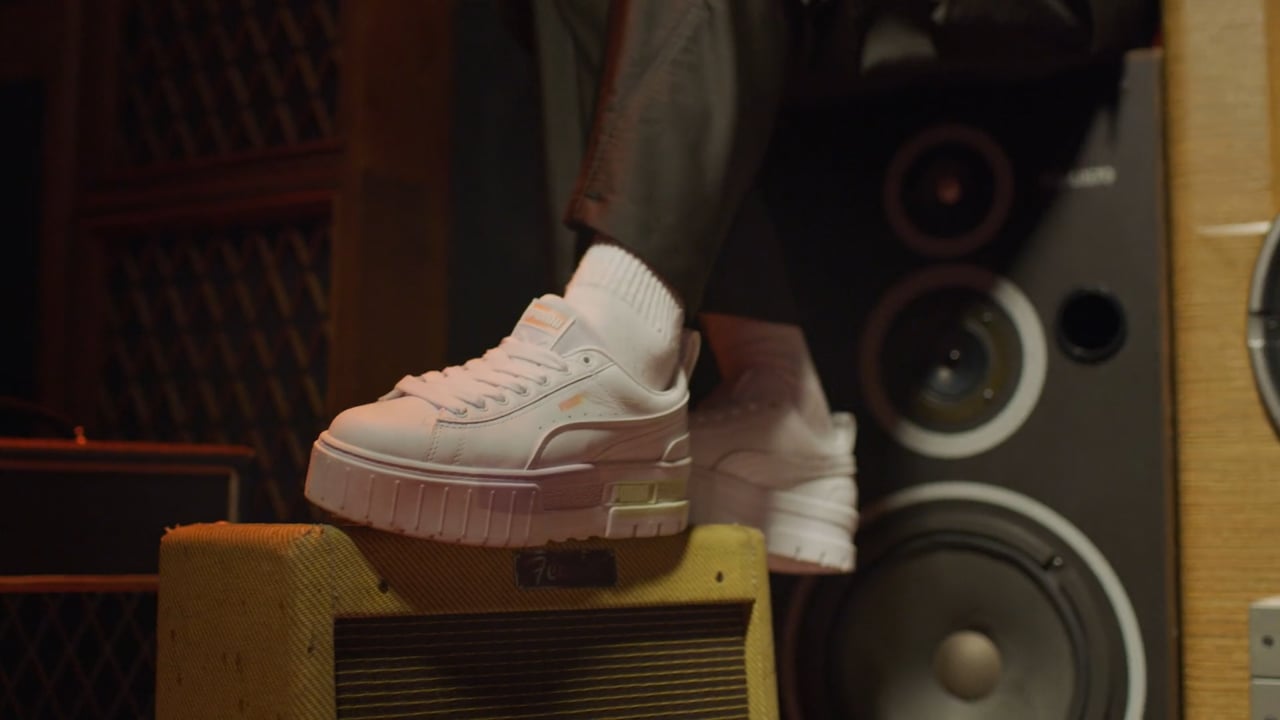
Director-DP · Hero + social · Puma × Dixie
Brand Stories.
Stories that earn the watch.
I bring documentary craft to brand work. Real characters, real stakes, the patience to find the moments that matter. Two minutes to feature length, depending on what the story actually wants to be.
Director · Brand documentary · Berkshire Hathaway
B2B Stories.
Cinema craft. Enterprise narrative.
Executive interviews, customer stories, brand pieces, and conference content for enterprise teams. Cinema lighting, audio that holds up on big screens, and edits that find the human inside the messaging.
Director-DP · Interview-led · TransUnion
Interview / Teleprompter.
Hit the script. Hit the take. Move on.
Communicating specific messaging is easier with a script. I run a teleprompter rig that mounts directly to the camera using an iPhone or iPad, so talent can nail the lines in a few takes. I (or an assistant) control the text and make live edits from a separate device.
Interview-led · Teleprompter · 1-day to multi-day
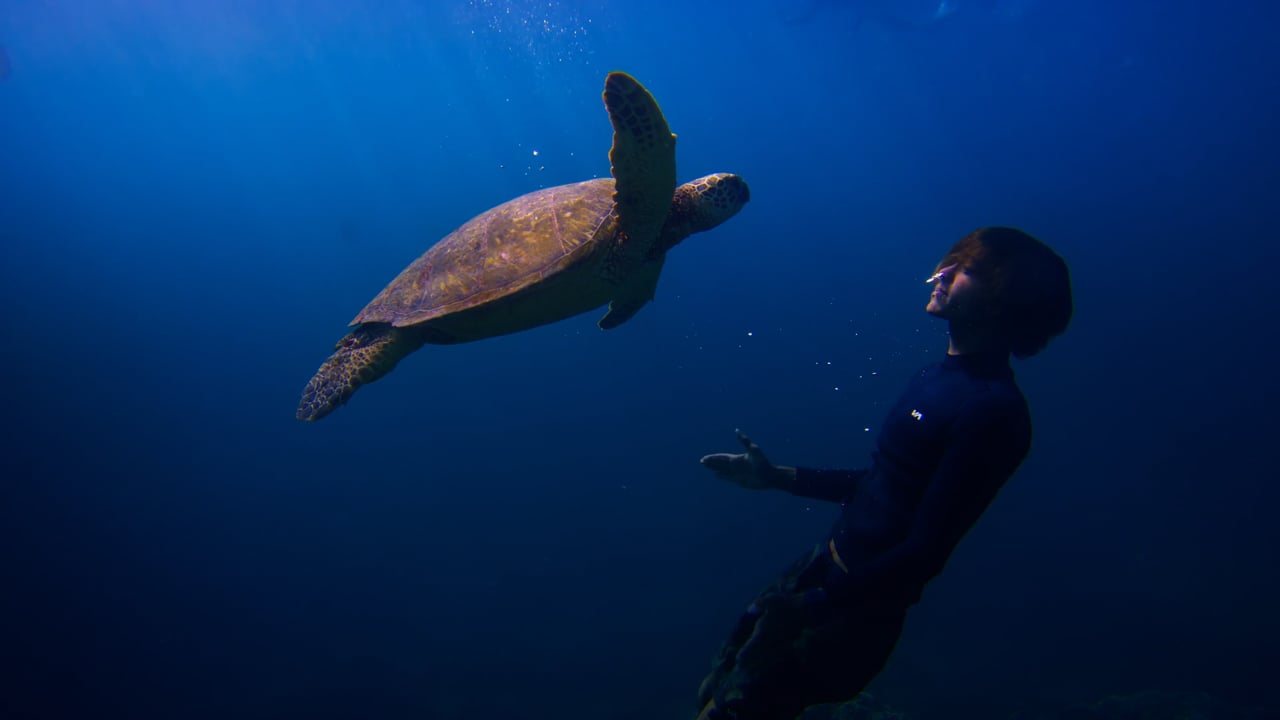
Water Cinematography.
Where most rigs can't go.
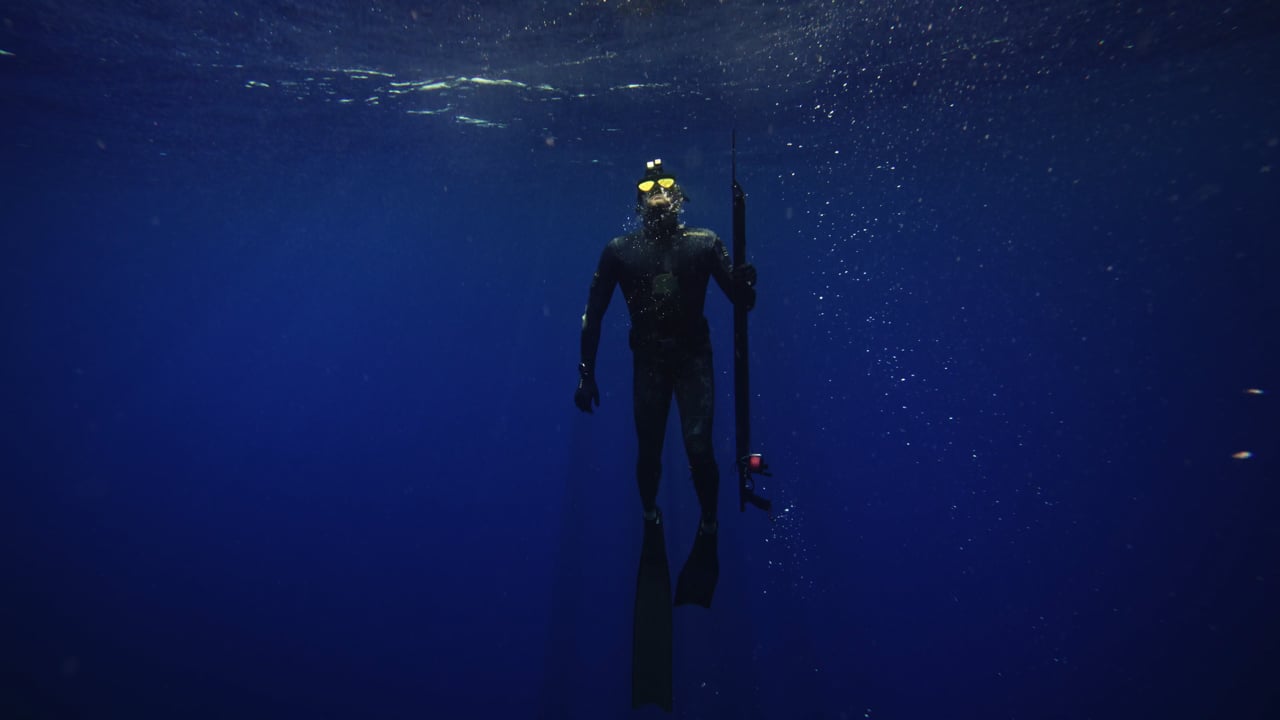
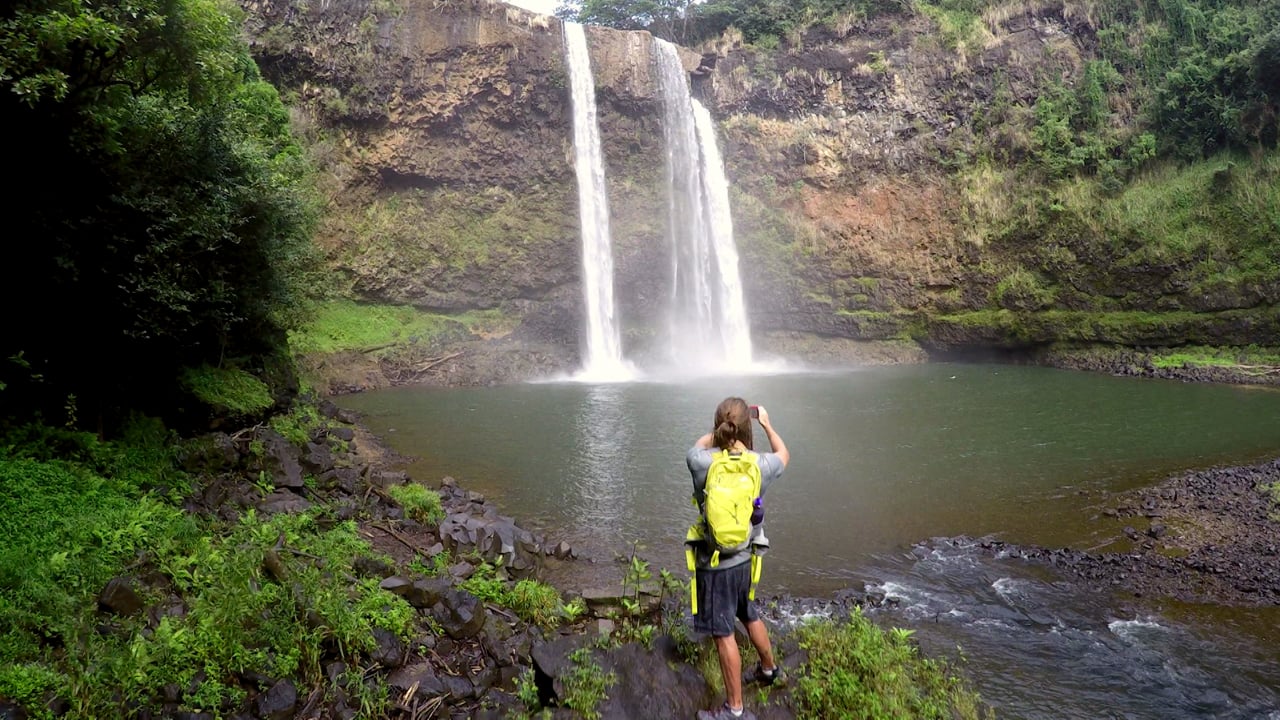
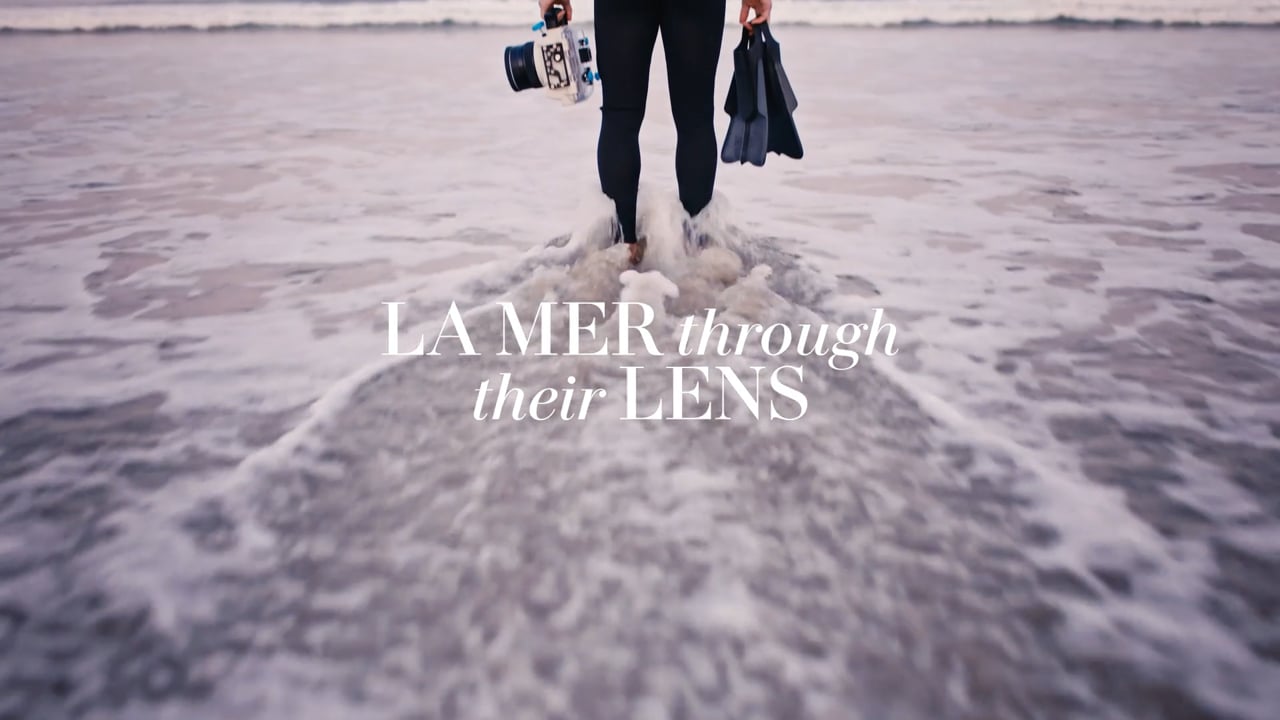
Custom water housing built for the RED V-Raptor. Runs cinema lenses, DSLR primes, and broadcasts wireless signal from the ocean to the beach. The director sees what the lens sees, live.
Water unit · DP · 17+ years · Tribeca · Telly
Water cinematography →Photo + Video.
Stills and motion. Same shoot day.
I learned to roll camera between photo takes from Tim Tadder. Since then I've done it on shoots with Brett Nadal, Brent Bielman, and Jon Hamblin. Sometimes I run both myself. If a brief needs photos and video, I can make it happen on the same day.
Director-DP · Photo + motion
End to End Production.
Concept to delivery, one vision, team effort.
I drive the concept, direct, run the camera, and edit. The team scales around the brief: producers, gaffers, sound, color, and post sized to the budget and ambition.
Director-led · Team scales · Kelly Slater × Slater Designs · Telly 2023
Coming soon.
Long-form looks at select projects. Process, decisions, the choices that aged well, the ones that didn't.
First case studies arrive later this year.
Start a project.
Tell me a little about what you're building.
Frequently asked.
Who is Aaron Lieber?+
Aaron Lieber is a film director based in Southern California, working under Lieber Films since 2008. He directed the feature documentary Bethany Hamilton: Unstoppable (2018, premiered at the Tribeca Film Festival, now streaming on Netflix, Prime Video, and Apple TV). His work spans branded storytelling, documentary, and scripted commercials for clients including Marmon Holdings (Berkshire Hathaway), Sony, Reef, Puma, Asics Tiger, and the NFLPA.
What is Lieber Films?+
Lieber Films is the production company of director Aaron Lieber, founded in 2008 in Southern California. It produces branded storytelling, documentary, and scripted commercials for athletes, brands, and the worlds they share.
Where is Aaron Lieber based?+
Aaron Lieber is based in Southern California, where he has run Lieber Films since 2008.
How did Aaron Lieber start as a filmmaker?+
Aaron began in water and surf cinematography, building a reputation for getting the camera where most rigs can't go. Over seventeen years he expanded into documentary direction and branded storytelling, founding Lieber Films in 2008. The throughline: long-haul access and a one-creative arc from camera to cut. His first feature, Bethany Hamilton: Unstoppable, started as a six-week short and became a six-year theatrical documentary.
Who directed Bethany Hamilton: Unstoppable?+
Bethany Hamilton: Unstoppable was directed by Aaron Lieber. The 97-minute feature documentary premiered at the Tribeca Film Festival in 2018 and is now streaming on Netflix, Prime Video, and Apple TV.
What kind of films does Aaron Lieber direct?+
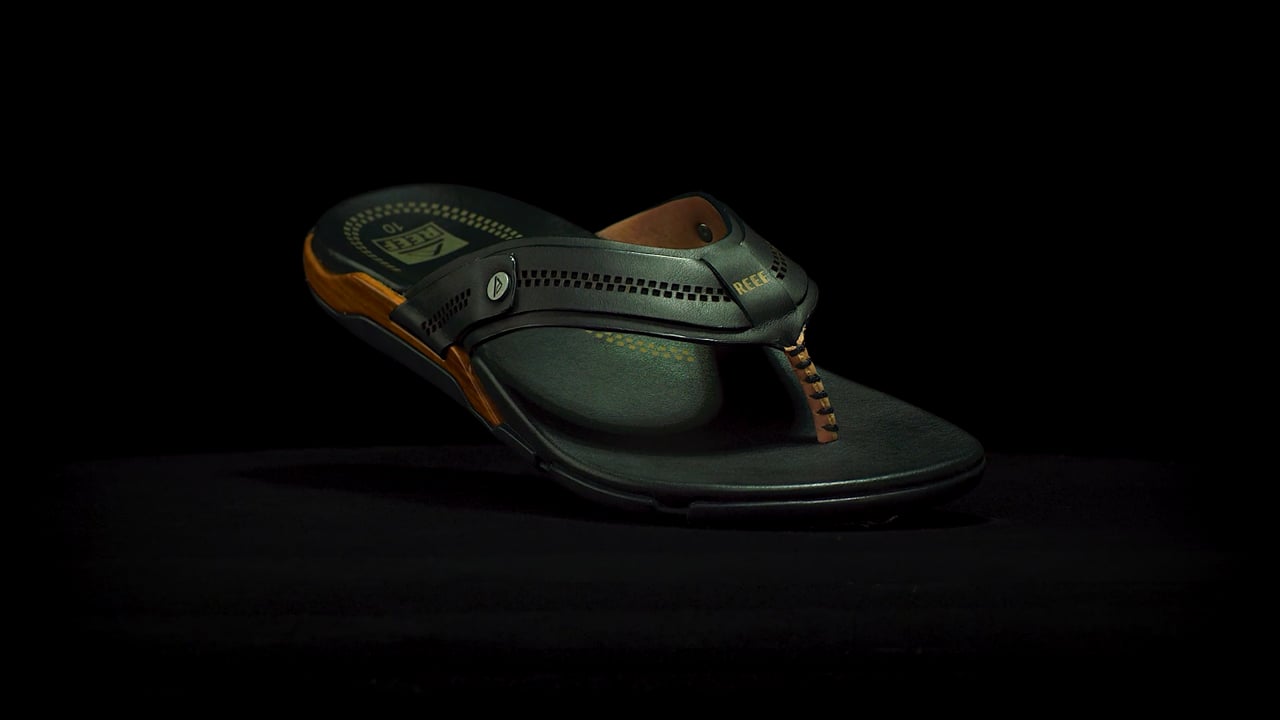
Aaron Lieber directs branded storytelling, documentary, and scripted commercials. He is known for athlete-led narratives (Bethany Hamilton, Giannis Antetokounmpo, Aaron Donald, Kelly Slater, Kanoa Igarashi, Noah Beschen), brand documentaries (Marmon × The Wasp for Berkshire Hathaway, Sony G Master, Reef Made & Molded), and signature water cinematography.
What is Marmon × The Wasp?+
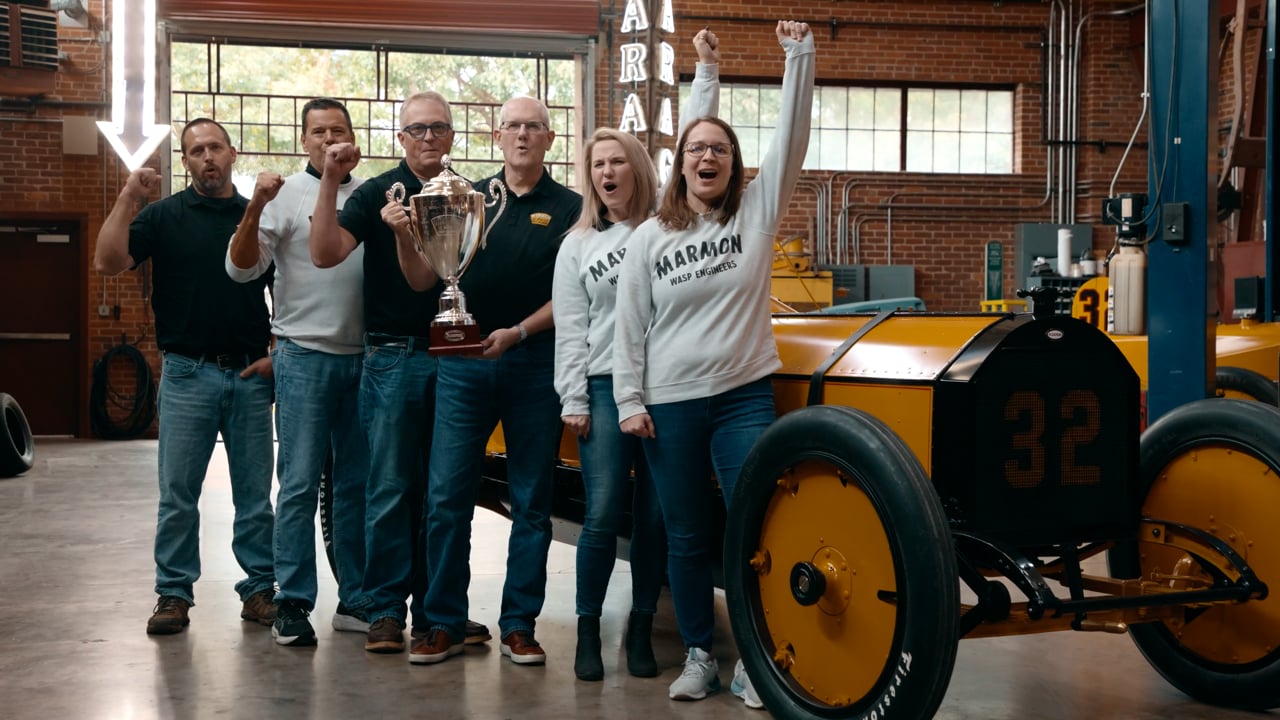
Marmon × The Wasp is a brand documentary directed by Aaron Lieber for Marmon Holdings, a Berkshire Hathaway company with $13B in revenue. The film follows seven engineers handpicked from Marmon's 30,000 employees as they rebuild the 1911 Marmon Wasp, the car that won the first Indianapolis 500, by hand at Honest Charley Speed Shop in Chattanooga, Tennessee, over one year.
What awards has Aaron Lieber's work won?+
Telly Awards for Ready Nutrition × Giannis Antetokounmpo and Kelly Slater × Slater Designs. Bethany Hamilton: Unstoppable premiered at the Tribeca Film Festival (2018) and is now streaming on Netflix, Prime Video, and Apple TV. The Wild won the Grand Prize at the REDirect Surf Film Festival, judged by Taylor Steele, Jarred Land (RED CEO), and Surfer Magazine editor Grant Ellis.
What services does Aaron Lieber offer?+
Aaron Lieber works as a Director, as a DP / Cinematographer, or as Director + DP combined on tighter teams. He can operate solo, bring his own crew, or embed with the client's existing crew. He covers production only or full-arc engagements (pre-production through post). Specialties include branded storytelling, documentary, scripted commercials, and signature water cinematography. Project scale ranges from 30-second spots to feature length. A full capabilities deck is available at aaronlieber.com.
Does Aaron Lieber work as a director or a cinematographer?+
Both. Aaron works as a Director on his own projects, as a DP / Cinematographer (main unit, second unit, or water unit) under other directors like Tim Tadder, and as Director + DP combined on smaller, faster productions. Projects can be bid as the full director package or as a single craft.
Does Aaron Lieber bring his own crew?+
Aaron can operate solo with intimate access (his Bethany Hamilton documentary started as a one-camera 6-week shoot that became a 6-year feature), bring his full crew when scale demands it, or embed with the client's existing production team. Engagement is sized to the project.
Does Aaron Lieber handle post-production?+
Yes. Aaron offers shoot-only engagements and full-arc engagements that include post-production. The full-arc model means one creative carrying the project from pre-production through delivery, useful for branded documentaries and longer-form work.
What size projects does Aaron Lieber take on?+
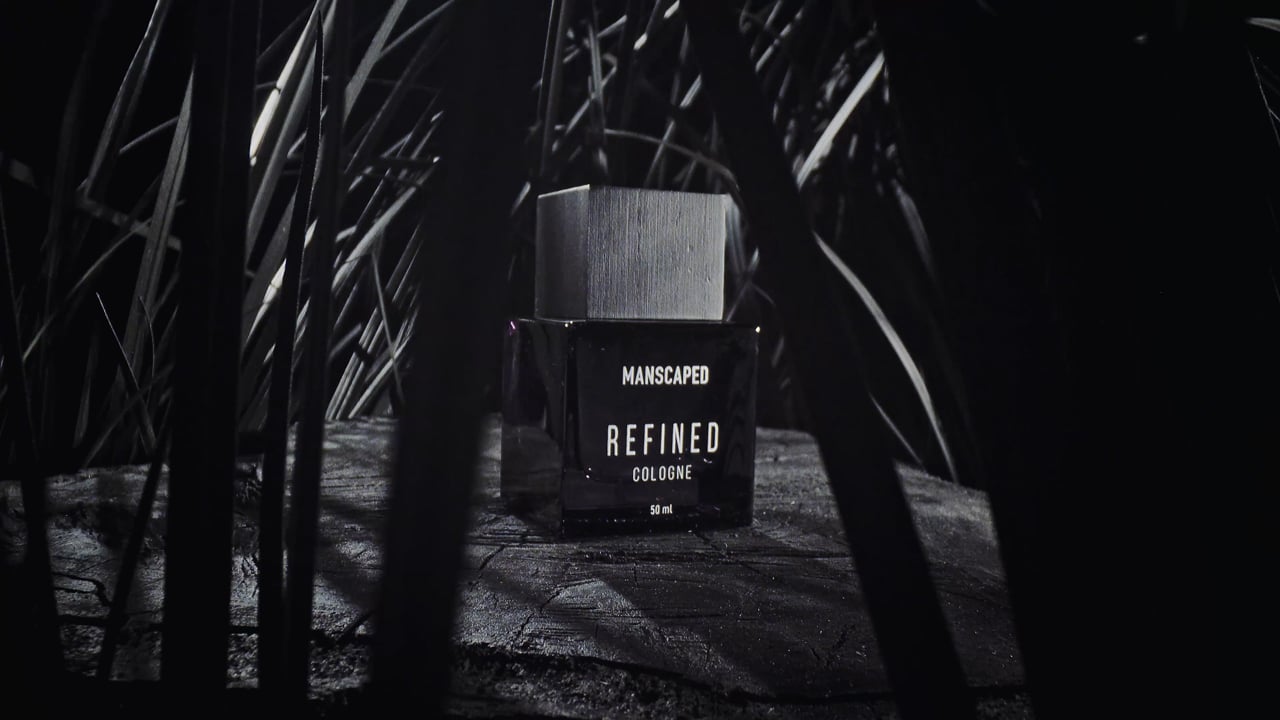
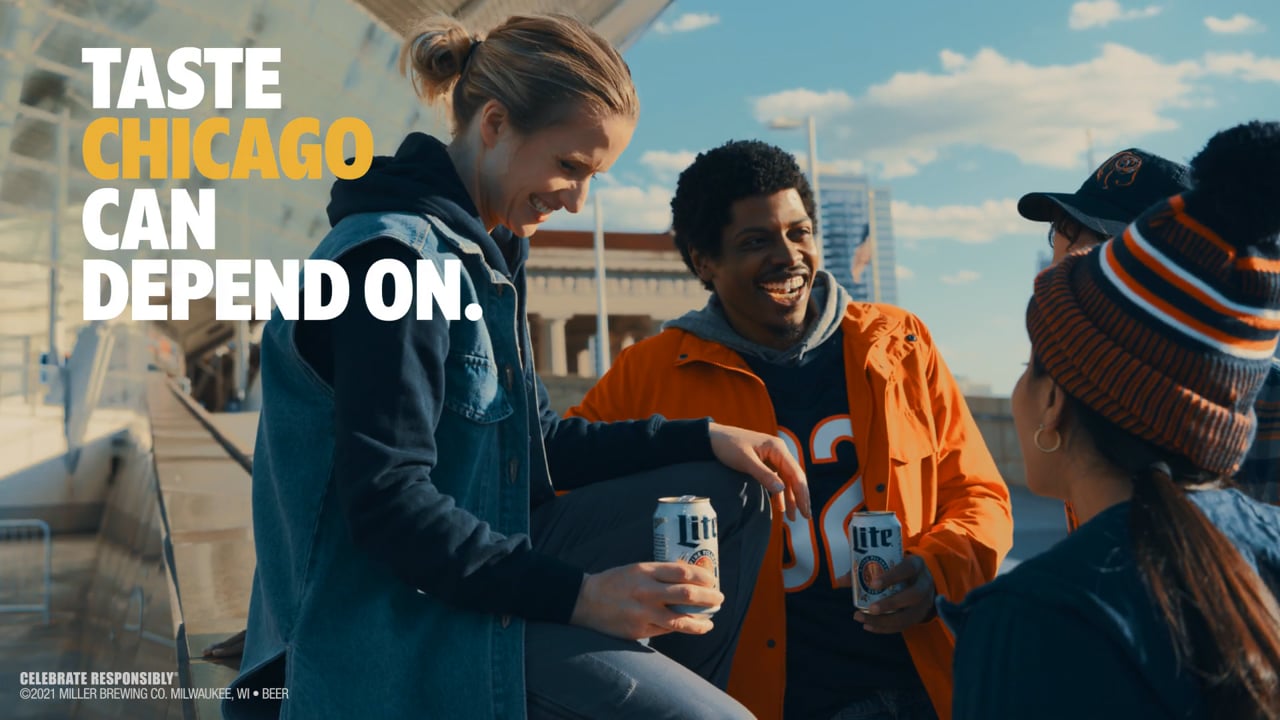
From 30-second spots (Miller Lite, Velveeta, Manscaped) to feature documentary (Bethany Hamilton: Unstoppable, 97 minutes, Tribeca premiere). Same camera intent at any scale. Multi-year access engagements are available for documentary projects.
What gear does Aaron Lieber own?+
Aaron owns and operates his own production gear: no rental dependency, fast-turn ready. Cameras include the RED V-Raptor (cinema), Nikon ZR, and a DJI Mavic 4 Pro drone, plus a full kit of supporting accessories. He is a certified drone pilot. For water cinematography, Aaron uses a custom water housing with wireless signal capability, allowing live monitoring and creative direction from shore or deck while the camera is in the water.
Does Aaron Lieber travel for shoots?+
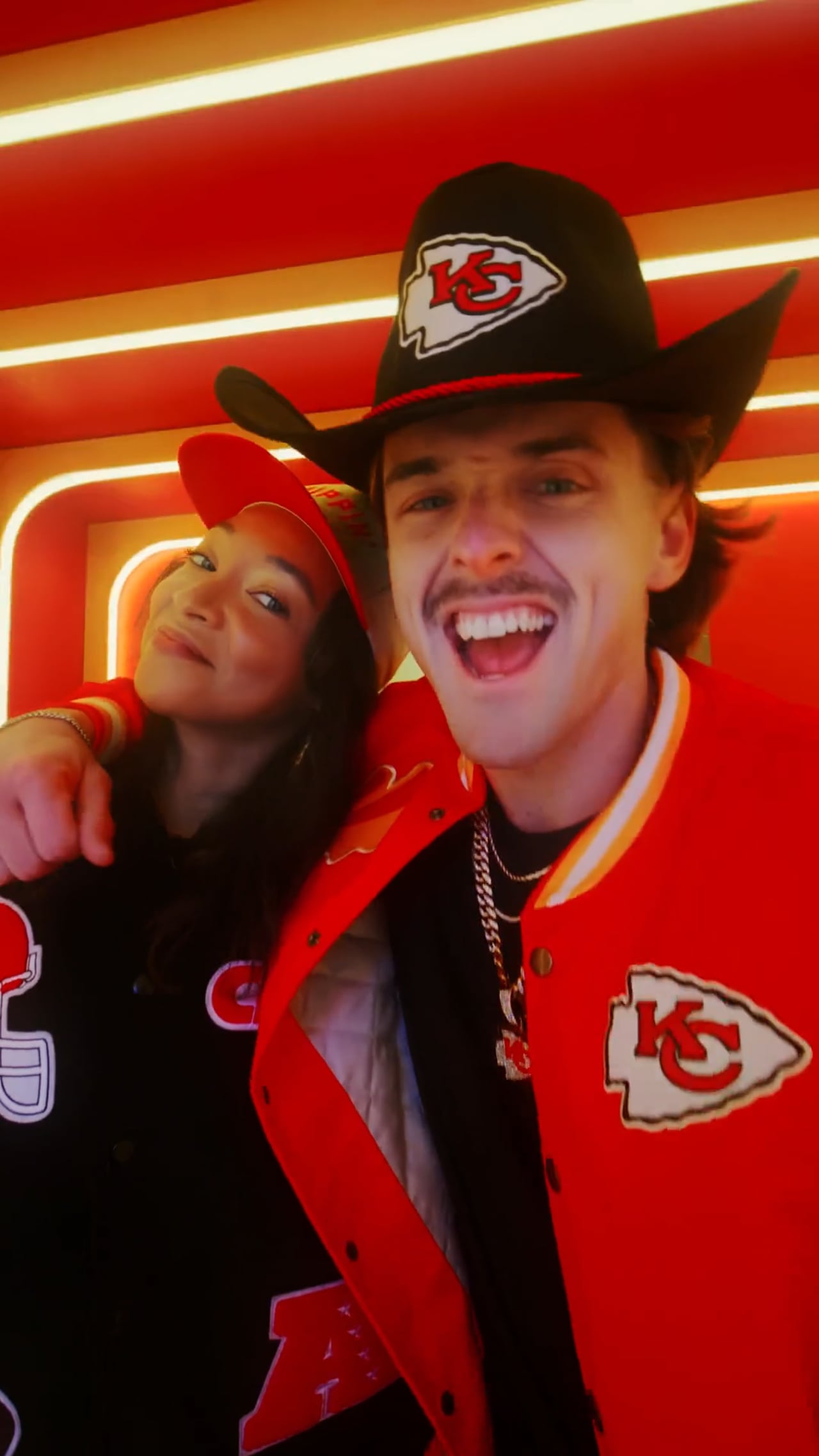
Yes. Domestic and international. Recent productions have shot in Hawaii (Sony G Master), Tennessee (Marmon × The Wasp), Pennsylvania (Aaron Donald, Penn Hills), Wisconsin (Giannis, Milwaukee), Kansas City (Velveeta × Chiefs), Chicago (Miller Lite), Los Angeles (Puma × Dixie), and various surf locations worldwide. Travel is built into the bid for the right project.
What's a typical project timeline?+
Varies by scope. 30-second spots typically run 2-4 weeks brief-to-delivery. Brand documentaries (like Marmon × The Wasp or Sony G Master series) run 2-6 months. Multi-cut campaigns (like Asics × Dojo, 5 parts) bundle to one shoot week and post over 3-6 weeks. Feature documentary engagements span multiple years. Bethany Hamilton: Unstoppable was a six-year arc.
Is Lieber Films a fully insured production company?+
Yes. Lieber Films carries the general liability and errors & omissions (E&O) coverage standard for commercial productions and brand work. Drone operations are covered under FAA Part 107 and additional aviation liability. Certificates of insurance available upon request for any project.
How much does it cost to hire a documentary director?+
Project budgets vary widely by scope. As a benchmark: 30-second branded spots typically run $25K-$75K. Brand documentaries and short-form films (like Marmon × The Wasp or Sony G Master) typically run $75K-$250K. Feature documentary engagements with multi-year access (like Bethany Hamilton: Unstoppable) run $250K and up. As an owner-operator, Aaron eliminates rental dependency on the camera package, which keeps mid-budget projects efficient. A bid is sized to your scope, direct-to-client or alongside agencies. Email aaron@lieberfilms.com for a project quote.
What's the difference between a brand documentary and a commercial?+
A commercial is short-form (15-60 seconds), spot-driven, optimized for paid placement and persuasion. A brand documentary is longer-form (3-30 minutes typical, sometimes feature length), story-driven, and earned through the human or institutional truth at its center, not the product pitch. Marmon × The Wasp is a brand documentary: the audience watches it because the story (Berkshire Hathaway picking 7 engineers from 30,000 to rebuild the 1911 Indy 500 winner) is genuinely compelling. The brand benefits because the story is theirs to tell. Aaron directs both formats; the choice depends on whether you're buying attention or earning it.
Why hire a director who shoots his own work?+
Three reasons. One: speed. The shot list and the storyline come from the same eye, so decisions on set don't go through a translator. Useful for fast-turn brand work and for documentary access where one camera is the entire crew. Two: intimacy. Subjects open up to one person with a camera in a way they don't with a 12-person crew watching them. Bethany Hamilton: Unstoppable was a six-week shoot that became a six-year feature because the access only existed at one-camera scale. Three: ownership of the camera package. As an owner-operator with a RED V-Raptor, drone (Part 107), and custom water housing, Aaron eliminates rental cost and dependency, which keeps mid-budget projects efficient without compromising image quality.
How can I hire Aaron Lieber?+
Email aaron@lieberfilms.com or visit aaronlieber.com to inquire. Aaron works direct-to-client or through agencies. Project lengths range from 30-second spots to feature documentary.
Director's notes.
Field reports on branded content, documentary craft, and the questions to ask before signing the SOW.
-
Boutique Production Studio vs Agency: What You Trade and What You Get.
When a director-led boutique studio beats a full-service agency, and when it doesn't.
-
What You're Actually Paying For When You Hire a Water Cinematographer.
The real cost factors, the hidden risks, and how to vet someone before you put your shoot at the mercy of the ocean.
-
How to Make B2B Video That Doesn't Feel Like B2B Video.
B2B video has a reputation problem. Here's how to make work that buyers actually finish.
-
How to Film a Brand Activation Without Killing the Energy.
Capturing real energy at live events without scripting the spontaneity out.
-
How to Plan a Product Launch Video That Earns Its Budget.
The hero-plus-cutdowns model that makes launch budgets pay back, and the mistakes that quietly kill them.
-
What a Great Camera Operator Actually Does.
The role most production teams underweight. Why a great operator changes the day.
-
How to Hire a DP: What Separates a Great Cinematographer from a Competent One.
The signals that predict craft, the questions that reveal taste, and the red flags worth walking away from.
-
When to Hire a Director Who Also Shoots.
The real economics and creative tradeoffs of hiring one person to direct and shoot.
-
How to Brief a Director for a Brand Doc That Doesn't Feel Like a Commercial.
What to include, what to cut, and what to never put in writing.
-
In-House Studio or Outside Director? A Field Guide for 2026.
When to use the in-house studio. When to bring an outside director in.
-
10 Questions to Ask a Director Before Signing the SOW.
The questions that separate a director who will deliver from one who will burn your budget.
-
How Much Does a Branded Documentary Actually Cost?
Real ranges from a working director, what drives the number up, and how to think about cost per year of usable brand value.
-
Branded Documentary vs. Brand Commercial: When Each One Wins.
Two questions that decide the format before you write the brief.